
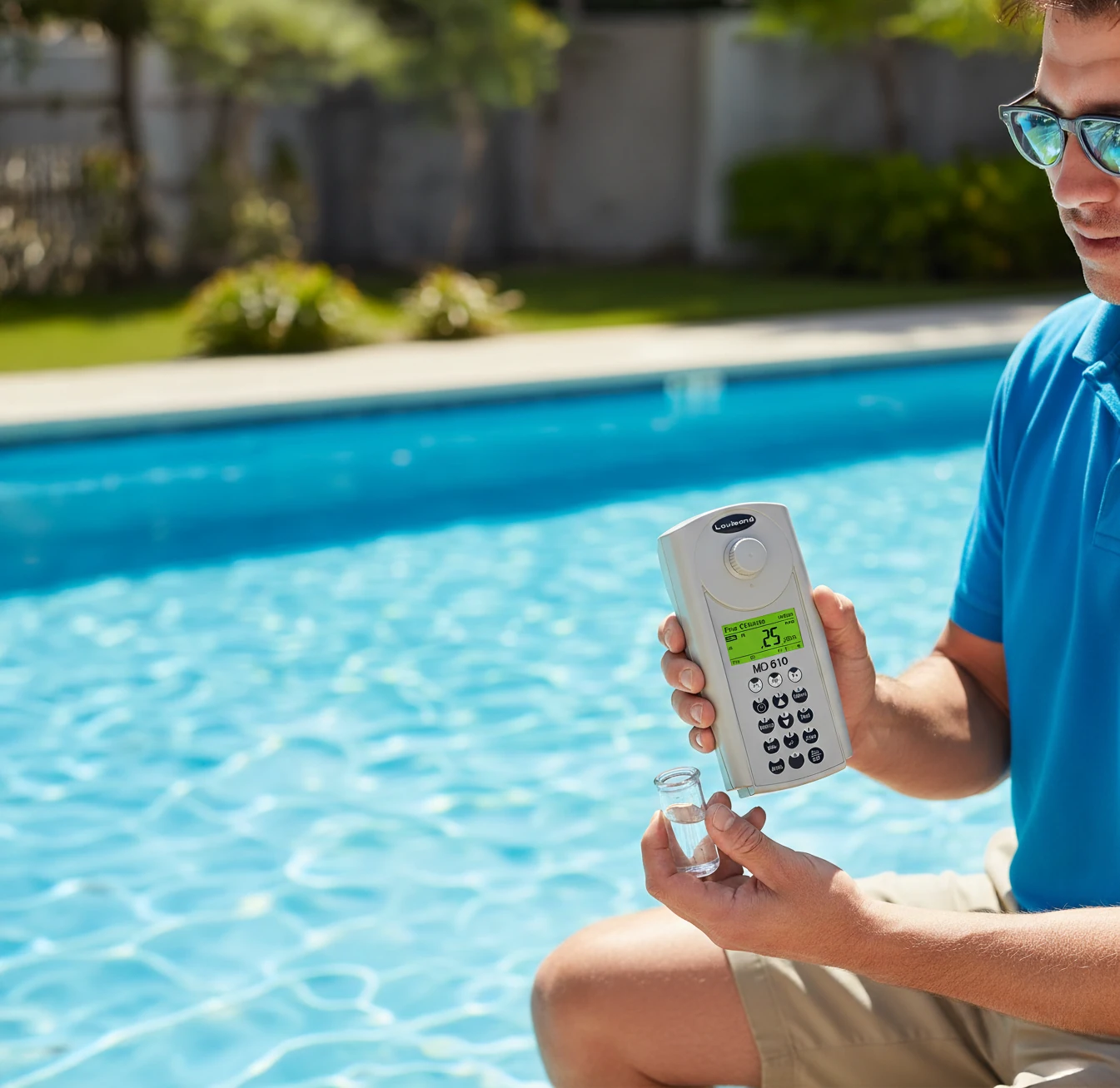
A second photometer reading can be different without explaining why the first one was unexpected. Replacing the first number with the second removes useful context. A better starting point is to retain both results and describe what happened between them, following the site's method and quality procedures.
Make the repeat traceable
Keep the original reading with its sample point, collection and test times, parameter, programme and units. Identify the repeat as a separate result rather than quietly overwriting the first entry. Note whether it came from the same prepared sample, another portion of the collected sample or a newly collected sample: those are different comparisons.
This is a review aid, not a rule for deciding which result to report. The chosen method and the responsible site team determine how unexpected results are investigated and handled.
Describe the change between the two tests
Record any change to the blank, cell, reagent or preparation. A cleaned or replaced cuvette, a fresh blank, another reagent batch or a different reaction time may help explain a difference; the repeat alone does not establish which change mattered.
Avoid adjusting several things without recording them. Follow the instrument and method instructions for the selected cell, sample volume and preparation. Do not introduce filtration or another treatment simply to make a sample look clearer unless the method permits it.
The Portable Analyser guide to samples, blanks and cuvettes sets out the practical handling checks. It also distinguishes establishing a blank reference from checking performance against suitable reference material and the site's acceptance criteria.
Carry the context into the next decision
If the portable result is being compared with an online trend, include the sample location and timing in the handover. A carefully repeated field test can still represent a different sample or reporting basis from the online instrument. Our guide to portable checks alongside online monitoring explains that wider comparison.
Keep unresolved differences visible and follow the site's escalation procedure. Do not average readings or select the more convenient result unless the applicable method and procedure support that treatment.
For equipment context, see the PMA products and services overview and our introduction to portable water-quality analysers. Contact PMA with the parameter, sample type and current method to discuss a field-testing application.
Source attribution: This distinct PMA News editorial draft is informed by Portable Analyser's sample, blank and cuvette guide. It is general record-keeping and measurement-planning information, not a substitute for an approved analytical method or site procedure.