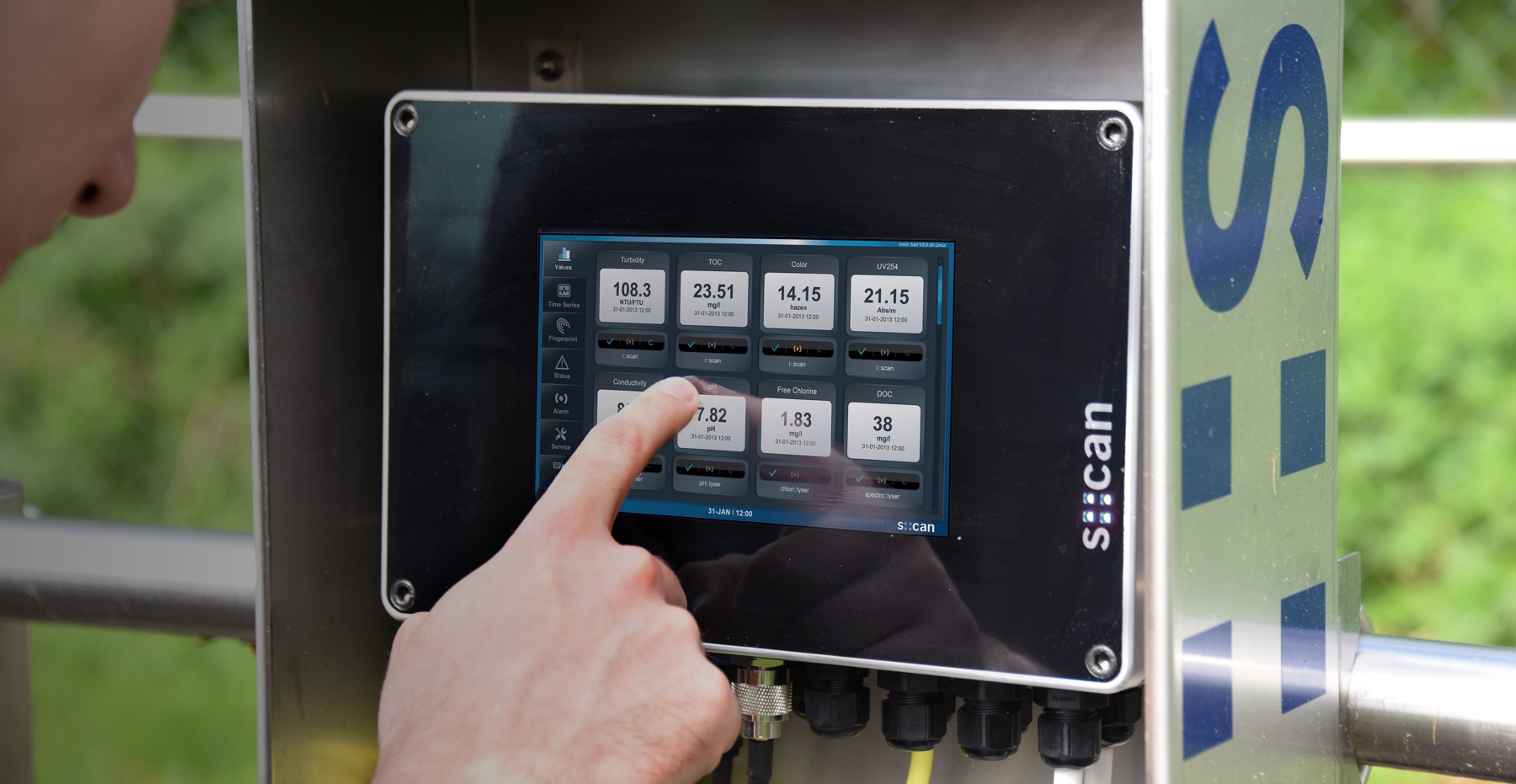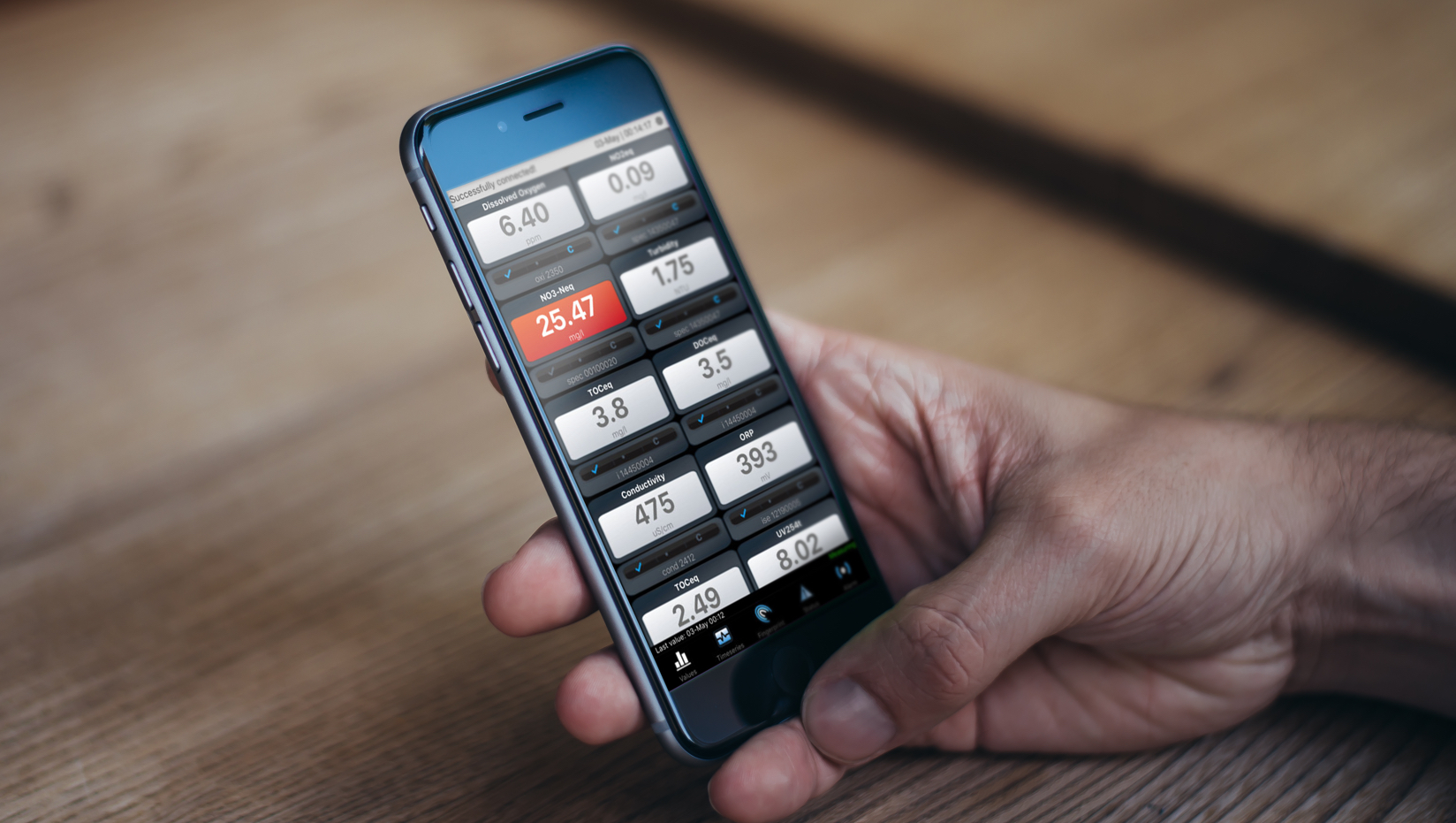

An online sulphate result describes the water that reached the analyser. It cannot answer a process question if the sample comes from the wrong part of the effluent train, misses a mixing point or arrives after the process has already changed.
Before comparing analyser options, decide what the measurement is meant to represent: an incoming stream, a treatment step, a blended flow or the final discharge. The location is part of the measurement specification, not a detail to settle after the instrument is chosen.
Start with the decision the result must support
If the purpose is to understand a treatment stage, identify the flow immediately relevant to that stage and the operating decision the result will inform. If the purpose is to characterise the discharge, define the discharge point and the period the result is intended to represent. A sample from upstream of a blend cannot stand in for the final mixed effluent; a downstream reading may reveal the combined outcome but not which incoming stream changed.
Where several questions matter, list them separately. One monitoring point may not answer all of them. Mark the proposed locations on a process diagram and record which streams, returns, tanks or dosing steps lie between each point and the process decision.
Make the point representative
For discharge monitoring in England, the Environment Agency says the sampling location should be agreed with it, documented and clearly labelled. The point should provide a truly representative sample; in a pipe or channel, it should be far enough beyond the last inflow for mixing to be complete. Its guidance also advises flushing dead space before taking a sample from a tap. Apply the relevant permit, regulator and site procedures for the actual installation and jurisdiction.
The same principle is useful when planning a process measurement: be clear about what water reaches the intake and whether it represents the stream you intend to follow. Note the exact location, sample route and any relevant operating state. A side-stream analyser still depends on an intake that represents the process; moving the detector away from the channel does not make the intake location unimportant.
Follow the sample path and timing
Draw the route from process to measurement cell. Record the intake, any conditioning or filtration specified for the application, the route length and the analyser's cycle. Transport time can separate a displayed result from the process conditions at the instant an operator sees it. Consider that lag when comparing the trend with dosing changes, batch transfers or a laboratory sample.
For an online-versus-laboratory check, take the comparison sample from the defined point and align the times as closely as the method allows. Record the sample preparation, reporting basis and units. A grab sample from another location or operating period may be useful evidence, but it is not a like-for-like check of the same water.
PMA's online colorimetric analysis guide explains why sample chemistry and the measurement method need to be considered together. The Environment Agency's guidance on discharge monitoring also says to define the determinand and required accuracy, and to select a monitoring method appropriate to the exact substance specified in the permit.
Choose the measurement route against the real sample
Once the measurement point and purpose are clear, assess the expected concentration range, matrix, reporting units and required response. PMA's sulphate-monitoring application page outlines optical turbidimetric and ion-selective-electrode approaches and describes AccuSeries and 3S options. It also notes that the suitable choice depends on the sample and operating arrangement. Confirm method suitability against the actual application rather than assuming that a product description or a different site's result transfers directly.
Keep operational monitoring separate from formal compliance reporting. Before using an online result for a permit decision, confirm the permit's determinand, sampling and method requirements with the responsible site and regulatory teams. The Environment Agency advises using MCERTS-certified equipment where available and suitable; that does not mean every instrument or application is covered by the same certification.
Put the specification in writing
A useful brief records the decision to be supported, the selected point, the streams and treatment steps affecting it, the sample path, the reporting basis and units, the expected range, the reference comparison and who will act on the result. Include any permit or method requirements that apply to the site.
For further context, read the AccuSeries source article on questions to specify for industrial wastewater sulphate monitoring, then compare the application details with PMA's sulphate monitoring options. Contact PMA with the process diagram, intended measurement point and the decision the result needs to support.
Source attribution: This original PMA News article was informed by AccuSeries' guide to specifying online sulphate monitoring in industrial wastewater and the Environment Agency's discharge-monitoring guidance. It is general measurement-planning information, not permit advice or a substitute for a site-specific method and application review.