
A change on an algae-monitoring dashboard is useful only if the next person can understand what changed and what evidence still needs checking. A pigment signal, a laboratory finding and an operating decision are different parts of that record. Keeping them separate makes an investigation easier to follow without asking one sensor to answer every question.
Put the measurement channel in the handover
Start with the actual parameter. Chlorophyll-a and phycocyanin are different pigments, and the labels should stay visible in the trend, export and investigation notes. Include the instrument configuration, reporting units and relevant calibration or reference information, rather than describing every reading simply as an “algae level”.
Turner Designs' cyanobacteria parameter information explains the use of cyanobacteria-associated pigments. The PMA specialist guide to phycocyanin monitoring discusses why that signal can support freshwater monitoring while remaining distinct from organism identification and toxin analysis.
Confirm the channel actually supplied. A chlorophyll-a monitor should not be described as a phycocyanin instrument, and adding a different label to an export does not change what its optics measure.
Record where and when the change occurred
Include the location, depth where relevant, collection or measurement time, instrument status and the period over which the trend changed. Record any change to the measurement arrangement, cleaning routine or sampling conditions that the responsible team considers relevant. A trend collected at another location or under another setup is not automatically a like-for-like comparison.
The aim is traceability, not a generic alarm rule. Use the site's monitoring plan to decide which observations need escalation and who reviews them. Avoid retrospectively choosing a convenient part of the trend while omitting the conditions surrounding it.
Our article on portable checks alongside online monitoring explores the broader comparison question: do the readings represent comparable samples, times and measurement bases?
Keep confirmatory findings separate
Phycocyanin fluorescence is not a cyanotoxin concentration. A pigment reading alone cannot establish which toxins are present or whether water is safe. The US EPA's overview of harmful-algal-bloom methods distinguishes analytical approaches for organisms, toxin-producing genes and toxins. It is a methods reference, not a substitute for the applicable UK authority's procedures.
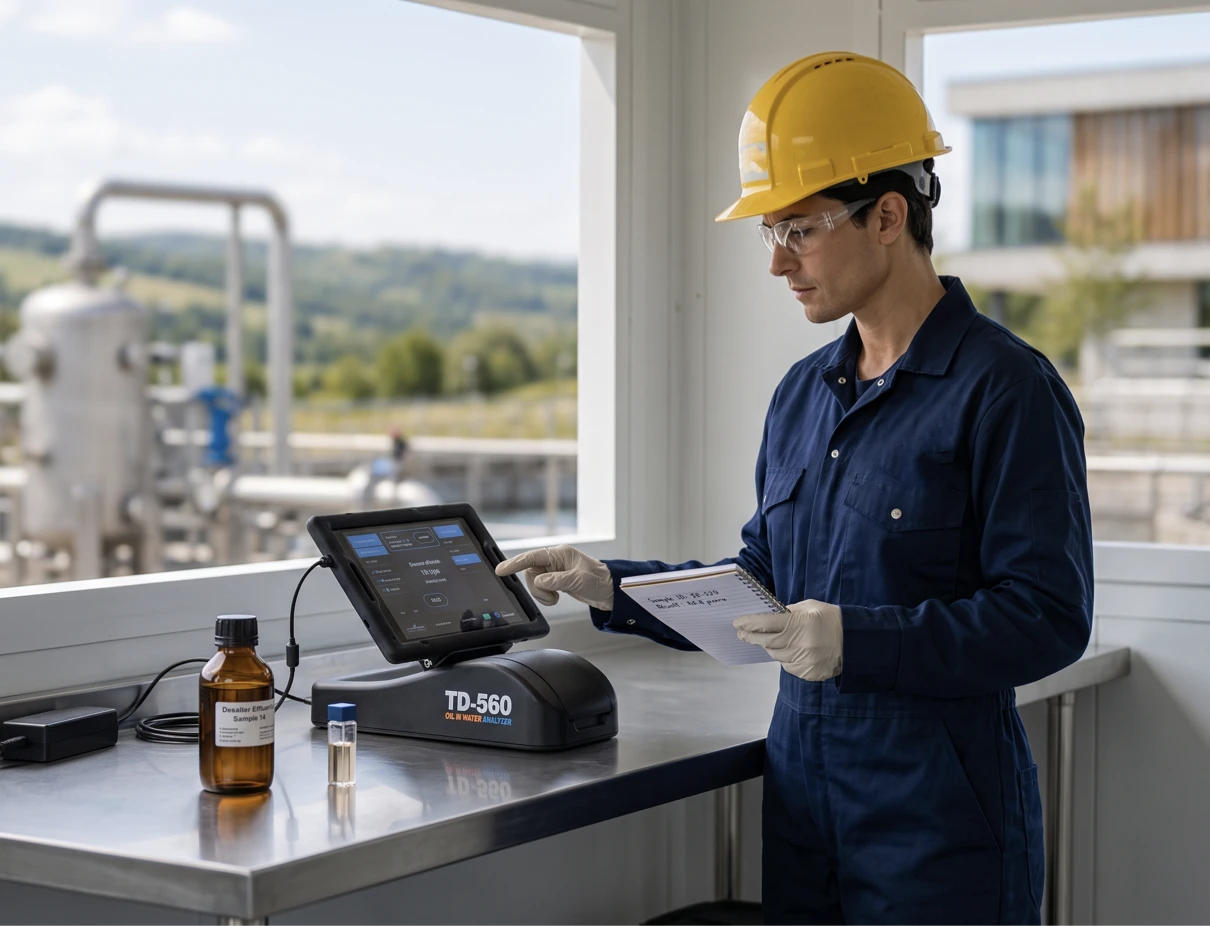
If a follow-up sample is required, record its identity, collection details and the question the selected analysis will answer. Add the resulting laboratory or other confirmatory evidence to the investigation without relabelling it as the same measurement as the sensor trend. Health, drinking-water and operational responses belong to the responsible site team and relevant authorities, using their approved arrangements.
Close the loop with a clear application question
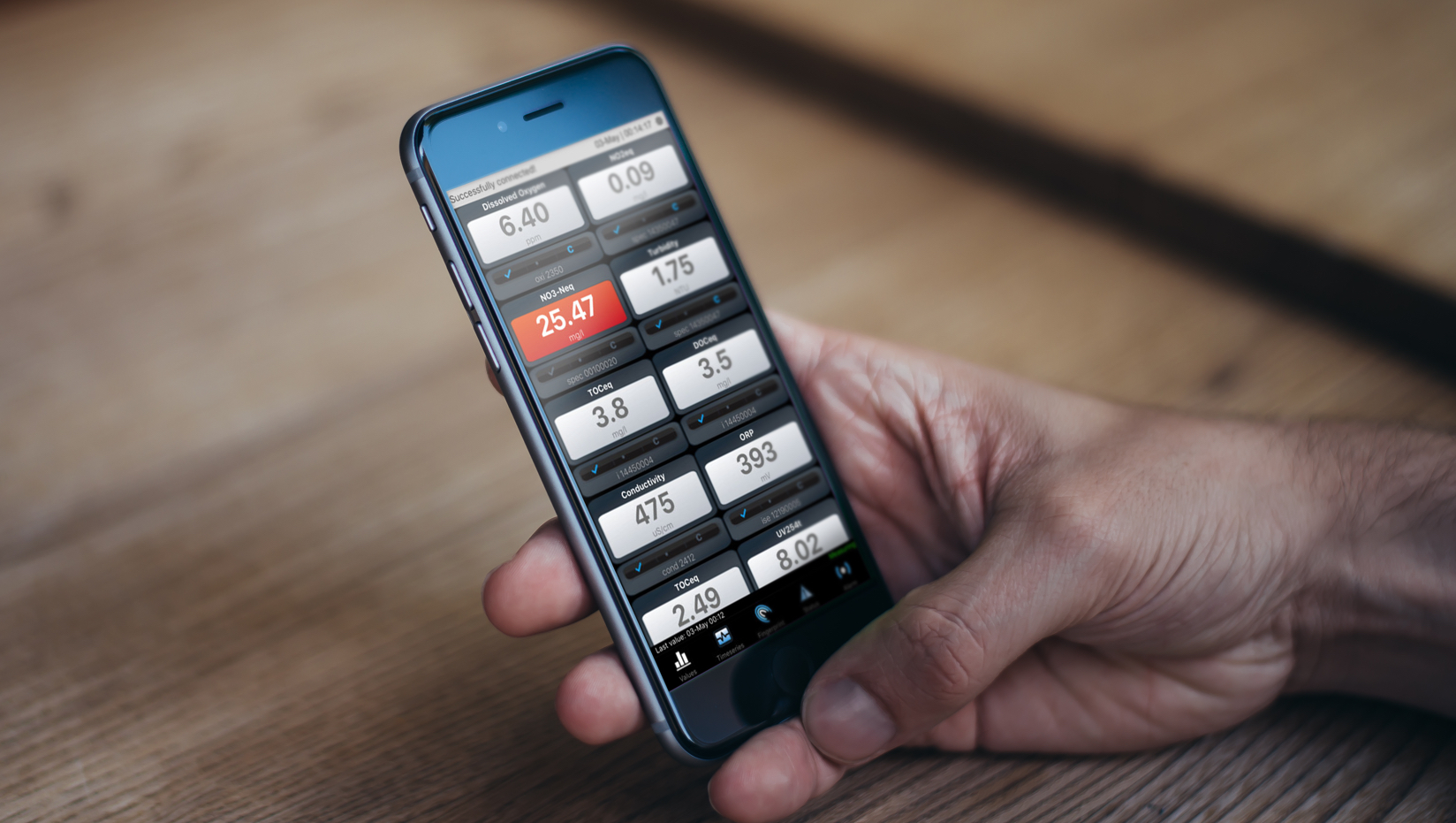
A useful review can explain the observed signal, what was checked, which findings remain uncertain and who owns the next action. That is more informative than a screenshot with an unexplained number.
For product context, see the CF-200 chlorophyll-a monitor and PMA's products and services. These are starting points for selecting the appropriate measurement, not a claim that one configuration measures every pigment or any toxin. Contact PMA with the water type, monitoring objective and confirmation arrangements to discuss the application.
Source attribution: This original PMA News article is informed by the PMA specialist phycocyanin guide, Turner Designs' parameter documentation and the EPA methods reference. It offers general measurement-record guidance, not a bloom diagnosis, safety determination or site response procedure.